
Glaucoma Treatment for Cats
Advanced Glaucoma Treatment For Your Cat
Glaucoma is a painful eye condition caused by increased pressure inside the eye. Although it is less common in cats than in dogs, it is a serious condition that can lead to permanent blindness if not diagnosed and treated promptly. Cats are particularly good at hiding pain, which means glaucoma is often more advanced before obvious signs appear.
At View Referrals, our veterinary ophthalmologists provide expert diagnosis and treatment for feline glaucoma, helping to relieve pain, preserve vision wherever possible, and improve your cat’s quality of life.
Why Early Treatment Matters
Unlike many eye conditions that develop gradually with minimal discomfort, glaucoma can become intensely painful as pressure builds within the eye. Unfortunately, cats often continue eating, sleeping and behaving relatively normally despite significant pain, making early detection difficult.
Seeking assessment as soon as glaucoma is suspected gives the best opportunity to prevent irreversible damage. If your vet suspects glaucoma, prompt referral is recommended.
Signs of Glaucoma in Cats
Cats rarely make their discomfort obvious, so changes can be subtle at first. Watch for signs such as:
- Squinting or keeping one eye partially closed
- Dilated pupil that does not respond normally to light
- Redness around the white of the eye
- An enlarged or swollen-looking eye
- Excessive tearing or discharge
- A cloudy or bluish appearance to the eye
- Becoming withdrawn or hiding more than usual
- Reduced confidence in unfamiliar surroundings
- Bumping into objects or difficulty judging distances
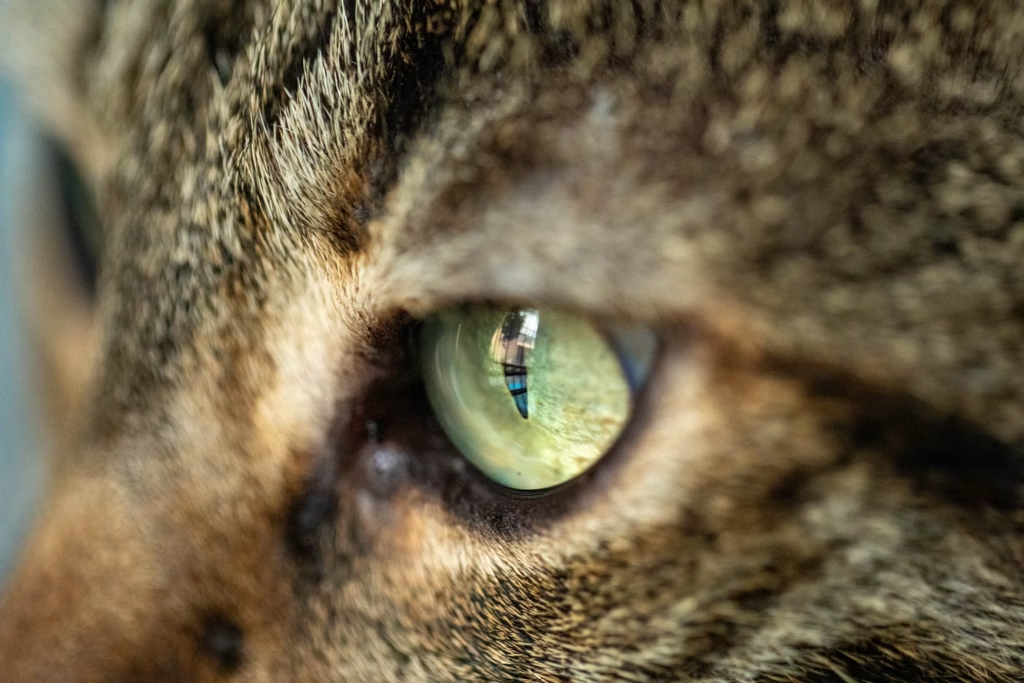
How We Diagnose Feline Glaucoma
A thorough ophthalmic examination allows us to determine whether glaucoma is present and identify the underlying cause wherever possible. We use tonometry, which measures intraocular pressure (IOP), to determine if your pets eye is showing any signs of glaucoma.
We also assess the internal structures of the eye, including the drainage angle (where possible) where fluid normally leaves the eye. In some cats, inflammation, previous eye disease or other conditions can interfere with this drainage, leading to increased pressure. Additional diagnostic tests may also be recommended on a case-by-case basis.
Treatment Options for Cats with Glaucoma
Every treatment plan is tailored to your cat’s diagnosis, the severity of the disease, whether vision remains, and their overall health.
Rapid pressure reduction
When glaucoma develops suddenly, our first priority is lowering the pressure inside the eye as quickly as possible. This is usually achieved with specialist eye drops that reduce fluid production or improve drainage.
Long-term medical management
Many cats require ongoing medication to keep eye pressure under control. Treatment often involves one or more prescription eye drops, sometimes alongside oral medication where appropriate. Regular monitoring allows us to adjust treatment over time and ensure pressure remains as stable as possible.
Surgical treatment
Depending on your cat's condition and whether useful vision remains, surgical procedures may help improve fluid drainage or reduce fluid production within the eye. Our ophthalmology team will discuss the most appropriate options and expected outcomes with you in detail before any procedure.
When Vision Cannot Be Saved
If the affected eye is painful and no longer functional, removing the eye (enucleation) is often the kindest option. Although this can feel like a difficult decision, most cats adapt exceptionally well to life with one eye and recover quickly following surgery. The procedure permanently removes the source of pain, allowing many cats to return to their normal routines within a remarkably short time.
Veterinary Ophthalmologists You Can Trust
View Referrals was founded by veterinary ophthalmologists Michael and Richard, who have spent their careers diagnosing and treating complex eye diseases in companion animals.
Since qualifying in 2006, they have worked in leading referral clinics across the UK, developing extensive expertise in ophthalmic conditions as well as advanced ophthalmic procedures.
Their combined experience, compassionate approach and commitment to exceptional clinical care ensure every cat receives exactly the treatment they need.
Refer Your Cat for Glaucoma Care
If you suspect feline glaucoma, getting professional advice quickly is vital. Your vet can refer your cat using our online referral form, or you can contact us for advice if you have any questions.
For emergencies, please call us on 07344 407 630.
Our services include
Cataract Extraction Surgery
Corneal Grafting & Reconstruction
We perform intricate procedures to treat deep corneal ulcers, perforations and other corneal pathology, using techniques such as corneo-conjunctival transposition grafts.
Corrective Eyelid Surgery
Expertise in resolving painful conditions like entropion (in-turning lids), ectropion, and the removal of eyelid tumours or ectopic cilia.
Glaucoma Management
Comprehensive treatment plans including medical management and advanced surgical options to control intraocular pressure. We can treat glaucoma in dogs, cats, and other small animals.
Cherry Eye Surgery
Surgical repositioning of the prolapsed gland of the third eyelid to maintain tear production and eye health.
Comprehensive Ophthalmic Assessments
Detailed examinations using slit-lamp biomicroscopy, tonometry (pressure testing), and chromatic Pupillary light tests to assess retinal function.
Many more things
If you pet has an eye problem, then we will be here to help.